Commercial Moves in Greenwich
Reliable Office and Business Relocation Support in Greenwich

If you are planning Commercial Moves in Greenwich, you are probably looking for a team that can handle the practical challenges of moving a workplace without creating unnecessary disruption. Whether you run a small office near Greenwich town centre, manage a retail unit close to the market, or operate from a larger business premises around the Greenwich Peninsula, the right move needs careful planning, clear communication, and local know-how.
A commercial relocation is not just about lifting furniture into a van. It often involves timing around staff availability, dealing with access restrictions, protecting equipment, and making sure the move happens in a way that supports your business rather than interrupting it. That is why local businesses often prefer a service that understands the area, the types of properties in Greenwich, and the realities of moving in a busy part of London.
Commercial moves in Greenwich can cover offices, shops, studios, restaurants, clinics, workshops, storage units, and mixed-use premises. Each one brings different challenges. Some locations have tight stairwells and limited lift access; others have loading bays, controlled entry systems, or narrow roads where parking must be arranged carefully. A local moving team can help plan around those factors so your business stays on track.
Why Local Knowledge Matters for Greenwich Businesses

Greenwich is a distinctive part of south-east London, with a mix of historic streets, modern developments, waterside buildings, and busy commercial areas. That variety matters when you are relocating a business. A move from a period property near Greenwich Park is very different from moving out of a contemporary office block on the Peninsula or a shop within a parade on a busy local road.
Local knowledge helps with timing, route planning, and access management. It also makes it easier to understand how traffic patterns, parking pressure, and building rules may affect your schedule. In many parts of Greenwich, loading and unloading may need to be coordinated carefully, especially where space is limited or where shared access is used by multiple businesses.
When a team has experience with Greenwich business removals, they are more likely to anticipate issues before they turn into delays. That can include planning around school runs, market activity, peak commuting hours, or restrictions around residential and commercial mixed-use zones. For customers, that means fewer surprises and a smoother moving day.
What Commercial Moves Can Include
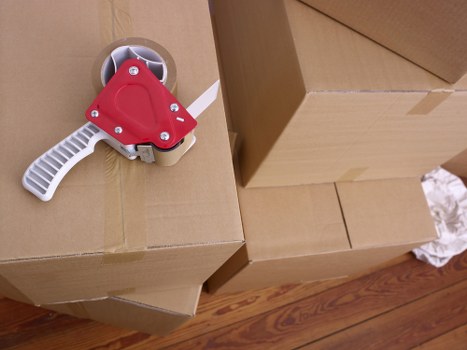
Every business relocation is different, but a professional commercial moving service usually covers much more than simple transport. It may include planning, packing support, dismantling and reassembly of furniture, safe handling of office equipment, and structured loading so that items are placed in the right order for the destination.
For many customers, the main priority is continuity. That is especially true for offices with multiple desks, customer-facing businesses with stock to protect, or companies that rely on computers, phones, and specialist equipment. A well-organised move can reduce downtime and help staff get back to work quickly.
Typical commercial move support in Greenwich may involve:
- Pre-move planning and room-by-room move labelling
- Packing of files, office supplies, and fragile items
- Careful relocation of desks, chairs, cabinets, and shelving
- Handling of IT equipment and peripherals
- Loading, transport, and unloading to the new site
- Furniture placement based on your floor plan or layout notes
- Basic dismantling and reassembly where needed
- Help with coordinated moves outside working hours if required
Types of Greenwich Businesses We Commonly Help
Offices, shops, and specialist commercial premises
Greenwich has a broad mix of commercial properties, which means the moving approach must be flexible. An office in a managed building may need booking slots for lifts and loading bays, while a retail space might require careful handling of stock, display furniture, and storage units. A healthcare, education, or professional service business may also need a move that protects confidentiality and sensitive equipment.
Local commercial movers often support:
- Small offices and start-ups moving to larger premises
- Established companies relocating within Greenwich or nearby boroughs
- Retailers moving between high street, parade, or mixed-use sites
- Hospitality businesses setting up in new units or refurbishing existing ones
- Clinics, studios, and consultancies with equipment and archive items
- Landlords and managing agents needing furniture or contents moved between units
Whether your business occupies a compact workspace or a full floor of offices, the move should be designed around your schedule and the layout of the destination. Commercial relocation in Greenwich works best when it is treated as a business operation rather than a simple man-and-van task.
Areas in and Around Greenwich We Cover
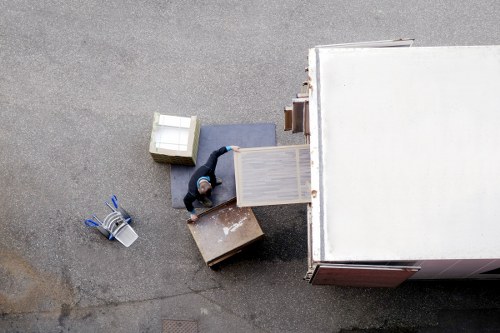
Customers often need a service that can work across different parts of the area, not just central Greenwich itself. Businesses may be moving between nearby neighbourhoods, from a town-centre office to a waterfront unit, or from one side of the borough to another. A local team can usually plan moves that involve both short hops and longer local relocations.
Commercial moves may cover locations such as:
- Greenwich town centre
- West Greenwich
- East Greenwich
- Greenwich Peninsula
- Maze Hill
- Cutty Sark area
- Blackheath border areas
- Deptford and nearby business districts
- Charlton and surrounding commercial zones
- Woolwich and wider south-east London routes
This local reach matters because many business moves are not isolated single-property jobs. A company might need furniture taken from storage, stock collected from a temporary unit, and everything delivered to a new office in one coordinated schedule. A flexible team can help reduce travel delays and keep the move efficient.
How the Commercial Moving Process Usually Works
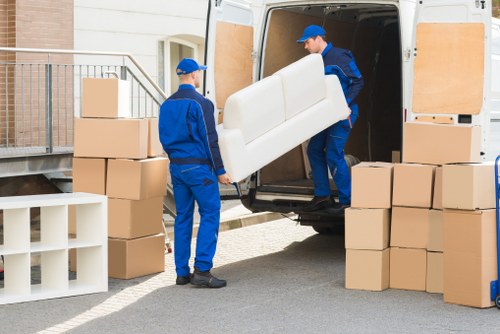
For most customers, the biggest concern is knowing what will happen and when. A clear process helps avoid confusion and makes the move easier for management, staff, and building contacts. While every move is different, a structured commercial removals service normally follows several practical steps.
1. Initial discussion and move assessment
The first step is usually a conversation about the size of the move, the type of business, the buildings involved, and the timing you need. This helps identify likely challenges such as access restrictions, fragile items, or the need for out-of-hours working.
2. Planning and preparation
Once the move is scheduled, the next stage is to plan the sequence of work. That may include labelling, packing, dismantling furniture, checking lift access, and making sure the loading area is ready. A good plan is especially useful in Greenwich, where building access can vary significantly from site to site.
3. Moving day execution
On the day, the team should work to an organised order: protecting floors if required, moving items safely, loading efficiently, and transporting everything to the destination in a way that supports easy unloading. For larger offices, this may involve moving departments or zones in sequence so the business stays more organised.
4. Delivery and setup
At the new site, items are unloaded according to the plan. Furniture is placed where needed, equipment is positioned carefully, and rooms are filled in a logical order. This part of the service is valuable because it helps staff settle in sooner and reduces the amount of post-move disruption.
What Is Included in a Professional Commercial Move
When people enquire about commercial moves in Greenwich, they often want to know what is included and what they will need to handle themselves. The exact service can vary, but a good commercial moving provider should be able to offer a clear outline of the work involved.
Common inclusions may be:
- Site-to-site transport for office or business contents
- Handling of desks, chairs, filing cabinets, and storage units
- Careful movement of boxed files and paperwork
- Support with packing materials where requested
- Basic dismantling and reassembly of standard furniture
- Coordination with building rules and access times
- Placement of items in the correct rooms at the destination
Some businesses also ask for help with delicate or important items such as monitors, printers, display units, or archived records. If you have items that need special care, it is worth making that clear early so the move can be planned around them.
Transparent planning is one of the most useful parts of the service. It helps everyone understand what is expected and reduces the chance of confusion on moving day.
Preparation Checklist for a Smooth Office or Business Move
Good preparation can make a major difference to the success of a business relocation. Even a highly experienced moving team works better when the customer has taken the time to organise files, staff responsibilities, and access details. For Greenwich businesses, preparation can also help manage the realities of local streets, shared buildings, and limited parking.
Before your move, it is often useful to:
- Confirm the moving date and any time restrictions with the building manager.
- Decide which items are moving and which items can be discarded, recycled, or stored.
- Label desks, boxes, and equipment by department or room.
- Back up digital files and check the status of essential devices.
- Notify staff about packing deadlines and move-day responsibilities.
- Arrange visitor, lift, or loading access if the building requires it.
- Measure key furniture and doorways at the new premises.
- Set aside an essentials box for documents, chargers, and immediate-use items.
If your business uses confidential records, specialist software, or equipment with setup requirements, make sure those items are identified in advance. That can help the move team work more carefully and ensure the destination is ready for use sooner.
Parking, Access, and Loading Challenges in Greenwich
One reason Greenwich commercial removals need careful planning is the range of access conditions across the area. Some premises offer convenient loading, while others require vehicles to park at a distance or work within a restricted time window. Historic roads, busy mixed-use streets, and new developments can all affect how the move is carried out.
Common challenges include:
- Limited nearby parking for larger vehicles
- Loading bay booking requirements in managed buildings
- Lift access that must be reserved in advance
- Narrow entrances or staircases in older properties
- Traffic congestion at busy times of day
- Shared access with residents, customers, or other businesses
A local moving team can plan around these issues by scheduling the right vehicle size, choosing the best arrival time, and allowing enough time for loading and unloading. That can make a big difference in areas where access is more complicated than it first appears.
Useful local support is especially valuable if your move involves more than one building or if you need to avoid disruption during trading hours.
Pricing Factors for Commercial Moves
What affects the cost of a business relocation?
It is natural to want a clear idea of cost before booking. While exact prices depend on the details of the move, several factors usually influence the quote. Understanding these helps you compare services sensibly and plan your budget more accurately.
Key pricing factors can include:
- The size of the office or commercial space
- The number and type of items being moved
- Whether packing, dismantling, or reassembly is required
- Distance between the old and new premises
- Access difficulty at either site
- Need for specialist handling of fragile or valuable items
- Out-of-hours, weekend, or staged move arrangements
For example, a straightforward small office move within Greenwich may be simpler than a larger relocation involving multiple floors, sensitive equipment, or a strict time slot in a managed building. The more information you can share at the start, the more accurate the estimate is likely to be.
Clear quotes matter because they help business owners compare options without hidden assumptions. A professional team should be able to explain what is included and which tasks would be treated separately if required.
Why Choose a Local Commercial Moving Company
There are practical advantages to using a local team for business relocation in Greenwich. Local crews tend to know the roads, traffic flow, and common access issues better than a company that only occasionally works in the area. That knowledge can support better timing and a smoother route from old premises to new ones.
Other benefits of choosing locally include:
- Quicker understanding of local access and parking conditions
- More flexible planning for short notice changes
- Better familiarity with Greenwich property types
- More practical route choices around busy local streets
- Convenience when moving between nearby business districts
Local businesses also tend to appreciate working with a team that understands the importance of keeping disruption low. If your staff need to continue serving customers, handling calls, or maintaining operations during the move, that practical approach can be just as important as physical lifting strength.
Commercial moves in Greenwich are often best handled by people who understand the area as well as the job itself.
Residential and Commercial Customers: Different Needs, Same Care
Although this page focuses on business relocations, some customers manage both residential and commercial spaces, or they may be moving a home office alongside a workplace. In Greenwich, that is not unusual, especially in mixed-use buildings and live-work arrangements. The move may need to account for personal belongings as well as business equipment.
Commercial customers often care most about efficiency, continuity, and safe handling of equipment, while residential customers may focus more on furniture, sentimental items, and access in shared buildings. A versatile moving team can adapt to both situations while still keeping the commercial side organised and business-friendly.
If your relocation includes a mixture of office contents, archive storage, and personal items, it is helpful to separate those categories before the move. That makes unloading easier and helps the destination team place items in the correct area without delays.
Practical Tips for Greenwich Business Owners Before Move Day
In the days leading up to the relocation, it pays to focus on the small details that keep the move running well. These details may not seem important at first, but they can save time, reduce stress, and help staff get back to work faster after the move.
Useful pre-move actions
- Tell staff what should be packed and by when
- Keep essential documents separate from general files
- Label computer equipment and its cables where needed
- Decide which furniture will not be moved
- Check whether the new premises need protective floor covering or access scheduling
- Prepare a layout plan for key rooms and work areas
- Arrange any collection of unwanted furniture or surplus items in advance
It also helps to confirm who will be available on the day to answer questions. Even with a professional moving team, quick decisions can be needed if a piece of furniture does not fit as expected or if a route needs to be adjusted.
Preparation is not about making the move more complicated; it is about making the day easier for everyone involved.
What to Expect on the Day of the Move
On moving day, most business owners want reassurance that the process will stay organised. A good commercial move should follow a sensible sequence, with clear communication between the team and the person responsible for the move.
Usually, the day starts with arrival, access checks, and a quick review of the items to be moved. The team may protect furniture or floors if required, then begin loading items in the agreed order. More sensitive items often move first or travel separately, while bulk furniture and boxed contents are organised to make unloading at the destination more efficient.
Once everything reaches the new premises, the next stage is placing items where they belong. That might include setting desks in rows, putting cabinets against specific walls, or unloading stock into designated storage areas. The more detailed your planning, the easier this step becomes.
If your move needs to happen before opening hours, after hours, or over a weekend, that can usually be factored into the schedule during planning.
Frequently Asked Questions
How far in advance should I book a commercial move?
It is best to book as early as you can, especially if your move needs to happen on a specific date or outside normal working hours. Greenwich businesses often have to work around building access and local traffic, so early planning helps.
Can a move be done with minimal disruption to staff?
Yes. Many commercial moves are planned to reduce disruption by working outside office hours, splitting the move into stages, or relocating departments in a controlled sequence. The best approach depends on your business size and operating needs.
What if my office is in a building with limited lift access?
That is common in some Greenwich properties. A professional team can plan for stair access, timed lift bookings, or smaller loading runs where necessary. It is important to mention access limitations early.
Do you move stock and office furniture together?
Yes, many business moves include both furniture and stock, provided the items are listed clearly and packed appropriately. Keeping categories separate can help with loading, transport, and unpacking.
Can commercial moves include dismantling and reassembly?
Yes, standard desks, shelving, and some office furniture can often be dismantled and reassembled as part of the move. If something is specialist or unusually large, it should be flagged during planning.
Is Greenwich a difficult area for business removals?
It can be in some locations because of narrow streets, parking pressure, and varied building access. That is exactly why using a team familiar with the area is useful. With the right planning, the move can still be completed efficiently.
Book Commercial Moves in Greenwich with Confidence
If you are preparing for an office relocation, shop move, or business transfer in Greenwich, the best next step is to speak with a local team that understands the practical demands of the job. A well-planned move can save time, reduce stress, and help your business settle into its new location with less interruption.
Whether you are moving within Greenwich or relocating to a nearby area such as Blackheath, Deptford, Charlton, Woolwich, or the Greenwich Peninsula, local support can make the process easier from start to finish. The right service should help with planning, loading, transport, and setup in a way that suits your business.
Contact us today to discuss your commercial relocation needs, request a free quote, or book your service now. If you want a smooth, practical, and locally informed moving experience, Greenwich commercial removals should be arranged with care and confidence.