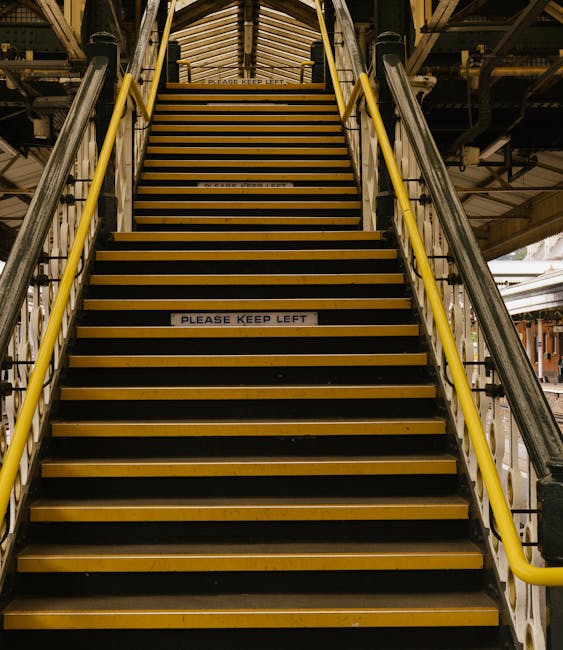
Stair access issues Greenwich removals tips for tight spaces
Posted on 01/08/2026
If you are dealing with stair access issues during a move, you already know the feeling: the sofa looks perfectly fine in the living room, then the staircase suddenly turns into the real problem. In Greenwich, where flats, maisonettes, converted homes and older buildings can come with narrow landings, awkward turns and steep steps, a move can get tricky fast. This guide on Stair access issues Greenwich removals tips for tight spaces walks you through the practical stuff that actually helps, from measuring up properly to planning the load-out so you do not end up wrestling a wardrobe at 8:15 on a damp Tuesday morning.
We will look at what causes stair access problems, how removals teams usually handle them, what to do before moving day, and which mistakes tend to make everything harder than it needs to be. There is also a checklist, a comparison table and a few local, real-world pointers to help you keep the move calm, or at least calmer. Let's face it, no one wants a chipped banister, a strained back, or a tense conversation halfway up the stairs.
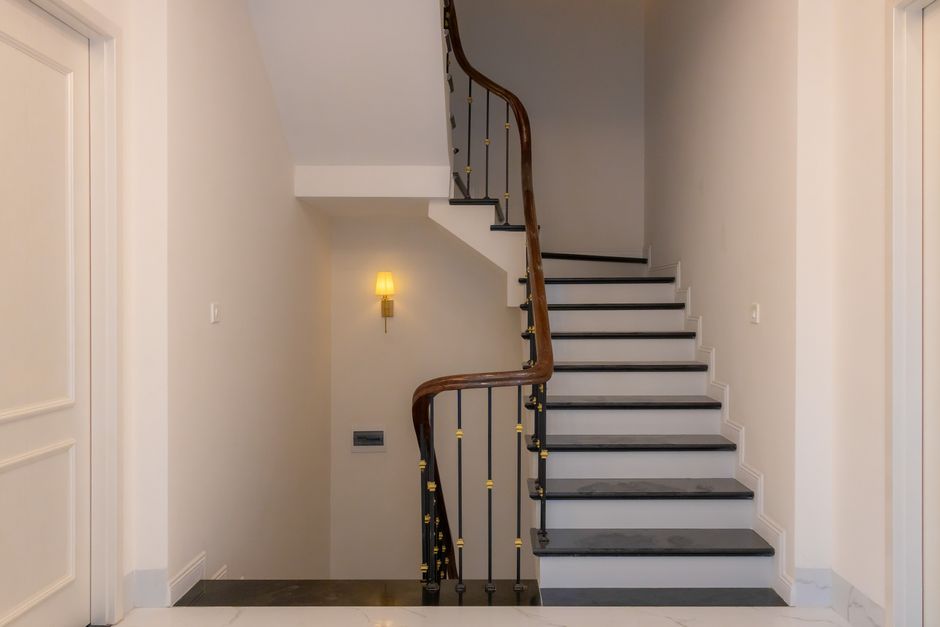
Why Stair access issues Greenwich removals tips for tight spaces Matters
Stair access matters because stairs are where a move can slow down, damage items or create risk. It is one thing to carry boxes. It is another to navigate a heavy chest of drawers around a tight corner with a low ceiling and a bannister that seems to be in the way on purpose. In Greenwich, this comes up often in period properties, purpose-built flats, student accommodation and split-level homes where internal access was never designed with modern furniture in mind.
The issue is not just convenience. Poor stair planning can affect timing, safety, and even whether certain items can be moved at all without specialist handling. A sofa may fit in the van and still be impossible to get upstairs if the stairwell turns sharply. Likewise, a mattress may be light enough but awkward enough to trap against walls or light fittings. The tighter the route, the more every inch counts.
That is why advance planning is valuable. A move that looks simple on paper can quickly become stressful once the team is on site and the clock is running. Even a small delay can matter if there is a parking window, a building manager to deal with, or neighbours who would rather not hear a wardrobe thump into the wall at lunchtime.
For people looking at overall move planning in the area, it can also help to read broader Greenwich guidance such as our local guide to living in Greenwich and practical notes on getting around the neighbourhood smoothly. Those details often matter more than people expect when a narrow stairwell meets a delivery van and a wet pavement.
How Stair access issues Greenwich removals tips for tight spaces Works
Handling stair access problems well is really about breaking the move into smaller decisions. First, the route has to be checked. Then the items are matched to the route. Then the team chooses the safest lifting method, protects the property, and moves one piece at a time with enough space to pivot.
In practice, this usually starts before moving day. A proper assessment looks at:
- the width of each stair flight
- turns, landings and narrow corners
- ceiling height on the stairwell
- handrails, light fittings and radiators
- door frames at both ends of the route
- parking and the distance from van to entrance
If any of those areas are tight, the mover may need to plan a different carrying angle, use extra hands, split items where possible, or move certain pieces first to keep the route clear. That is often the hidden difference between a move that flows and one that feels like a slow-motion puzzle.
For larger or more awkward items, a specialist approach can help. A heavy bookcase, piano, oversized wardrobe or bulky sectional sofa may need specific handling rather than a standard carry. If you are dealing with furniture that is especially difficult to manoeuvre, a page like furniture removals in Greenwich can be a useful starting point. For very demanding pieces, specialist support such as piano removals Greenwich is the kind of service that makes sense because the risks are higher and the margin for error is tiny.
One important point: tight-space removals are not about rushing. They are about rhythm. A steady pause at the landing is usually better than forcing a turn and scraping a wall. Truth be told, moving slowly often gets the job done faster overall.
Key Benefits and Practical Advantages
When stair access is planned properly, the benefits show up everywhere: less damage, less stress, better timing, and a move that feels organised instead of improvised. That matters whether you are moving a one-bed flat or a full family home.
- Lower risk of damage: Protecting corners, bannisters and walls is easier when the route is understood in advance.
- Safer lifting: Better planning reduces the chance of sudden twists, slips or awkward carrying positions.
- Faster load-out: A team that knows the stair layout can move with more confidence and fewer pauses.
- Less disruption to neighbours: Fewer blocked corridors, fewer repeated trips, less noise.
- Better item protection: Items are less likely to get knocked, pinched or dragged at a tight turn.
- More accurate planning: It becomes easier to judge whether you need extra help, storage or a different vehicle setup.
Another advantage is emotional, really. If you know the difficult bit has already been thought through, the day feels less chaotic. You can focus on labels, keys, pets, children, and the weird half-empty kettle you forgot to pack. Small thing, but it helps.
For many movers, especially those in apartments and converted houses, the smartest route is to combine careful access planning with the right service level. A simple van-and-loader arrangement may be enough for some jobs, while a more comprehensive home move package may suit others. If you are comparing service scopes, it is worth scanning the services overview alongside house removals Greenwich and flat removals Greenwich so you can match the job to the building rather than forcing the building to fit the job.
Who This Is For and When It Makes Sense
This advice is for anyone whose move includes narrow stairs, awkward access or bulky furniture that will not just glide into place. That includes landlords, tenants, homeowners, students, office managers and anyone moving items through older or tighter properties in Greenwich and nearby areas.
It makes the most sense if you are:
- moving into or out of a top-floor flat
- dealing with spiral stairs or a tight U-shaped stairwell
- handling a large sofa, bed frame, wardrobe, desk or appliance
- moving during a busy parking window
- trying to avoid disruption in a shared hallway or conversion property
- booking a smaller crew and need the route to be efficient
Students are a good example. Student flats can be compact, staircases narrow, and every box seems to be full of books, dishes or a printer someone swore they would use again. In those cases, a well-planned student removals Greenwich approach can save a lot of hassle.
Office moves can also run into access issues, especially in converted buildings or small workspaces with internal stairs. For that, checking office removals Greenwich and, where suitable, this local office moving guide for small businesses can help frame the planning process. Not glamorous, maybe, but very useful.
Step-by-Step Guidance
Here is a practical way to plan a move when stair access is tight. Keep it simple and do not skip the measuring stage. That is where most of the saved time comes from.
- Measure the stairs and key items. Note stair width, landing size, ceiling height and the dimensions of the largest items.
- Photograph the route. A few clear pictures of the staircase, entrance, turns and doorways can be more helpful than a vague description.
- Identify problem pieces early. Sofas, mattresses, glass furniture, beds and wardrobes are usually the first suspects.
- Decide what can be dismantled. Remove legs, shelves, headboards and drawers where safe to do so.
- Clear the route completely. Move shoes, mats, ornaments, plants and anything else that might catch a foot or a box.
- Protect the property. Use covers on floors, edge protectors where needed, and keep a careful eye on handrails and corners.
- Reserve parking sensibly. In Greenwich, the distance between van and entrance can change the whole pace of the move.
- Load in a practical order. Items needed last should go in first, and awkward pieces should be easy to reach.
- Keep one person watching the route. A spotter at the stairs can prevent the small misjudgements that cause bigger problems.
- Leave a little breathing room. If something clearly will not fit, stop and rethink rather than forcing it.
A quick clarification: a good removals team is not trying to be cautious for the sake of it. They are trying to prevent the kind of slip that turns a move into a repair bill. There is a difference.
If you are also packing at the same time, good packing practice makes the staircase problem much easier. Uniform box sizes, sensible weight distribution and clear labels all matter. For a focused packing plan, see packing and boxes Greenwich. That little bit of structure can reduce the number of trips up and down the stairs, which honestly is half the battle.
Expert Tips for Better Results
These are the little things that make a surprisingly big difference in tight spaces. They are not flashy, just effective.
- Use moving blankets before the item leaves the room. Once you are on the stairs, every extra movement is harder.
- Take doors off their hinges where appropriate. Sometimes that extra couple of centimetres saves the day.
- Rotate items, do not drag them. Dragging causes damage and makes balance harder to manage.
- Keep hands clear of pinch points. Stair corners and railings can catch fingers without warning.
- Split loads if the item allows it. Two smaller carries are often safer than one heroic attempt. Heroic attempts look good in films, not so much on stairwells.
- Check the stair surface. Slippery shoes, dust, wet soles or loose rugs can change footing quickly.
- Plan for the return trip. Coming downstairs with empty hands is easier, but only if the route stays clear.
There is also a bit of judgement involved. For instance, a small dining table might look easy, but the angle between the landing and the hallway could make it awkward. On the other hand, a large wardrobe may be straightforward if it can be dismantled early and carried in parts. Experience helps, but so does taking a minute to think before lifting.
If your move is time-sensitive and the access problem is not going away, it may be worth considering a flexible service option such as same-day removals Greenwich. That is not always necessary, of course, but it can be helpful if you need a quick turnaround and there is no room for delay.
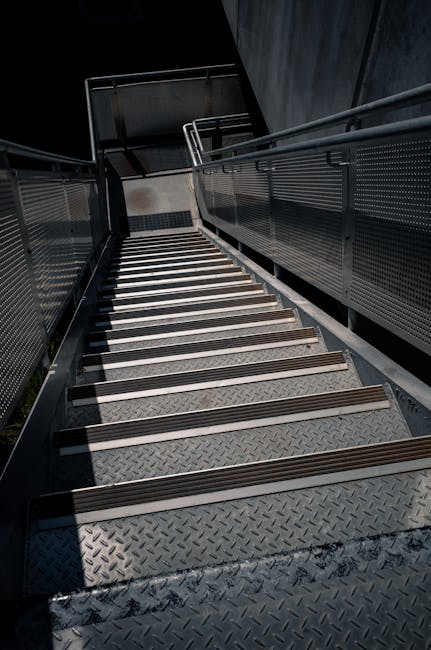
Common Mistakes to Avoid
Most stair access problems are made worse by a few predictable mistakes. The good news is that they are avoidable once you know what to look for.
- Guessing dimensions: "It should fit" is not a measurement.
- Leaving bulky items assembled: Wardrobes and bed frames often need partial dismantling.
- Ignoring the landing: People focus on the stairs and forget the turn at the top or bottom.
- Not checking parking distance: A long carry from van to entrance eats time and energy.
- Forgetting shared access rules: Communal hallways and stairwells may need a bit of care and consideration.
- Packing heavy boxes unevenly: A box that tilts awkwardly on the stairs is a nuisance and a risk.
- Rushing the first item: If the first carry goes badly, the rest of the move becomes tense.
A common one in Greenwich is assuming all flats are similar. They are not. Two buildings on the same road can have completely different stair layouts, different entry points and different parking headaches. So yes, even if you have moved before, do not assume this one will be the same. It rarely is.
Another frequent issue is not being realistic about access when booking. If you know the stairs are tight, say so early. That helps avoid underestimating the crew size, timing or handling required. If you want to think through booking questions before the day arrives, this guide to common booking problems and solutions is a useful read.
Tools, Resources and Recommendations
You do not need specialist kit for every move, but a few practical tools make stair access much easier to manage.
| Tool or resource | Why it helps | Best used for |
|---|---|---|
| Measuring tape | Confirms stair width, item size and landing space | Pre-move planning |
| Furniture blankets | Protects finishes and reduces scuffs | Large furniture and wall contact points |
| Gloves with grip | Improves hold and reduces slippage | Heavy or awkward items |
| Door protectors / corner guards | Helps protect the property on tight turns | Narrow stairwells and hallways |
| Labels and colour coding | Makes unloading faster and more controlled | Busy home or office moves |
| Storage option | Reduces pressure if access is too tight for everything in one move | Staged or complex moves |
As a practical recommendation, take photos of anything you think is borderline. A decent photo of the stairwell, a hallway turn or a bulky item gives a removal team a much better picture than memory does. Memory has a habit of being optimistic.
If you are comparing services and want to understand how different move types fit together, it may help to review removal services Greenwich, man and van Greenwich, and man with a van Greenwich. The best option usually depends on volume, access and how much lifting the job requires, not just price alone.
If you need temporary space because the access is too tight to do everything in one go, storage can be part of the plan too. A storage option such as storage for your area may be useful when items need to move in stages. That said, if your situation is straightforward, you may not need it at all. Keep it proportional.
Law, Compliance, Standards, or Best Practice
For home and business moves in the UK, stair access planning is not usually about one single law so much as working safely and sensibly within accepted moving practice. The main idea is straightforward: protect people, protect property, and do not take avoidable risks.
In practical terms, that means a removals team should consider safe manual handling, avoid overloading one person, and use a method that suits the item and the route. On a tight stairwell, that can involve more hands, slower pacing, and a decision to dismantle or temporarily store an item rather than force it through.
There is also the wider duty to behave carefully in shared or rented buildings. If a stairwell is communal, keep it clear. If there are building rules, follow them. If there is a lift, do not assume it can take every item. And if an item looks risky, it is completely reasonable to stop and reassess rather than push ahead.
It is also worth checking insurance and health-and-safety information before the move. Reputable providers should be clear about how they handle risk and what level of cover applies. If you want to understand how this is presented on the site, have a look at insurance and safety and health and safety policy. For wider company background and working standards, about us and removal companies Greenwich can also be useful context.
One small but important point: where access is especially constrained, honesty helps everyone. Saying "it should be fine" when it probably will not be fine creates stress later. Better to flag the problem early. That is not overcautious. It is just sensible.
Options, Methods, or Comparison Table
Different access problems call for different approaches. Here is a simple comparison to help you judge what fits your situation.
| Approach | Best for | Pros | Watch out for |
|---|---|---|---|
| Standard carry through stairs | Boxes, small furniture, open routes | Simple, efficient, usually cost-effective | Can struggle with turns and bulky items |
| Dismantle and reassemble | Wardrobes, beds, desks, shelving | Reduces size and improves control | Needs time, tools and careful labelling |
| Extra crew support | Heavy or awkward items | Improves balance and safety | Needs more coordination on the day |
| Staged move with storage | Very tight access or complex timings | Reduces pressure and allows flexibility | May add a second handling stage |
| Specialist item handling | Pianos, antiques, fragile statement furniture | Better protection for high-value items | Usually needs more planning |
If the move includes a single awkward item rather than the whole house, specialist furniture handling may be enough. If the issue is a whole flat with a cramped staircase, a broader flat-removal plan is usually better. The right answer depends on the building, not the label on the service.
Case Study or Real-World Example
Here is a realistic Greenwich-style scenario. A tenant moves out of a second-floor flat with a narrow stairwell, a sharp turn at the top landing and a front entrance that opens straight onto the pavement. The biggest items are a double mattress, a wardrobe, a sofa and several heavy book boxes.
At first glance, the route seems fine. But once the team checks the stairwell properly, it becomes clear the wardrobe will not turn safely in one piece. The mattress is manageable, but the sofa will need two people at the front and one at the rear for a controlled pivot. The plan changes slightly: the wardrobe is dismantled, the shelves are packed separately, and the loading sequence is adjusted so the sofa does not block the hall.
The result? Fewer pauses, no wall scuffs, and no panicked guessing on the staircase. The move still takes effort, of course. It is still a move. But it feels orderly rather than chaotic, which is usually the real win.
I remember one moment like this where everyone went quiet for a second on the landing, looking at a corner that seemed to have shrunk overnight. Then the team re-angled the piece, paused, and carried on. Simple fix. Nothing dramatic. That is often how good removals work behind the scenes.
Practical Checklist
Use this checklist a day or two before moving if stairs or narrow access are part of the job.
- Measure the stair width, landings and door frames
- Measure large furniture pieces and note anything that dismantles
- Photograph the stair route, including awkward turns
- Check parking and walking distance from van to entrance
- Clear hallways, stairs and landings of loose items
- Protect floors, walls and corners where needed
- Label boxes clearly and keep heavy items under control
- Decide which items should be moved first and last
- Tell the movers about any fragile, heavy or bulky pieces
- Confirm if anything needs dismantling before move day
- Prepare a backup plan for items that may not fit
- Keep keys, fobs and building access details handy
If you want a broader sense of pricing or how different moving jobs are usually structured, you can review pricing and quotes alongside our prices. That can help you judge whether the job needs a basic setup or something more tailored. And if you are in the middle of final packing, do not forget the practical packing support at packing and boxes Greenwich again, because it really does save time.
Get a free quote today and see how much you can save.
Conclusion
Stair access issues do not have to derail a move. With the right measurements, realistic planning and a calm approach to awkward corners, tight spaces become manageable rather than overwhelming. The key is to work with the building, not against it.
Whether you are moving into a compact Greenwich flat, clearing a top-floor room or handling a bulky item that needs extra care, the best results usually come from simple habits: measure properly, communicate early, dismantle when sensible, and protect the route before the first box moves. That is the real heart of Stair access issues Greenwich removals tips for tight spaces.
Take the time to plan the awkward bits now, and the rest of the move usually feels a lot lighter. Not easy, exactly. Just lighter. And sometimes that is enough.