SE10 house removals Greenwich moving in and parking tips
Posted on 14/06/2026
SE10 House Removals Greenwich Moving In and Parking Tips
Moving into SE10 should feel exciting, not like a slow-motion parking battle with boxes on the pavement and a van circling the block. Yet that is exactly where many Greenwich moves get tricky. The streets can be tight, the parking can be limited, and even a perfectly organised removals day can stall if the vehicle cannot stop close enough to the property. This guide to SE10 house removals Greenwich moving in and parking tips is designed to make the whole process feel calmer, clearer, and much more manageable.
Whether you are settling into a family house near Greenwich Park, moving into a flat closer to the town centre, or coordinating a first-time move with awkward access, the basics are the same: plan the route, protect your time, and think about parking before the boxes are even packed. A little forethought goes a long way. Truth be told, it usually saves money too.
Below, you will find practical local advice, step-by-step moving guidance, and a few things people often only learn the hard way. If you want a broader look at the moving process, the team behind house removals in Greenwich and local removal services can also help with planning, access, and day-of logistics.
Why SE10 house removals Greenwich moving in and parking tips Matters
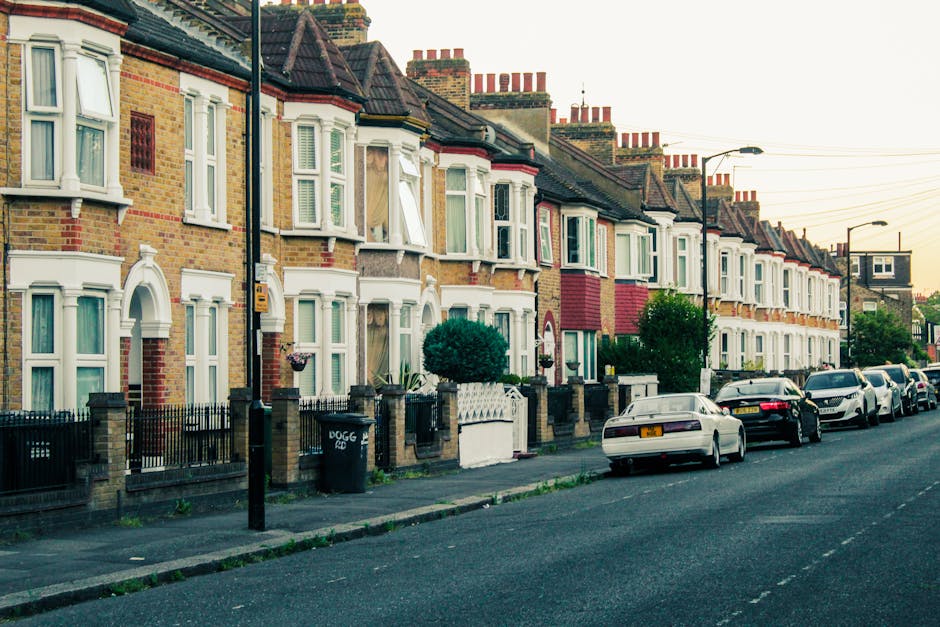
SE10 is one of those London areas where the details really matter. Streets can vary from wide and straightforward to narrow, awkward, or busy at the exact time you need to unload. On moving day, a lack of parking planning can turn a well-run house move into a long, frustrating shuffle of furniture and boxes. That is not just inconvenient; it can affect the safety of your items, the speed of the move, and how stressed everyone feels by mid-morning.
Parking matters because removal work is time-sensitive. A van that has to park too far away means more carrying, more trips, and more chances for something to get knocked, dropped, or scratched. In Greenwich, that extra walking distance can be the difference between a tidy two-hour unload and a move that drags on into the afternoon. And if you have stairs, tight hallways, or a top-floor flat, the pressure goes up quickly.
There is also a practical local angle. If you are moving into SE10, chances are you are dealing with a mix of residents, visitors, delivery vehicles, and occasional event traffic. You do not need to know every street rule by heart, but you do need to think ahead. That is why a good moving plan blends removals logistics with parking reality. The two are joined at the hip, basically.
For some people, the difference between a smooth move and a messy one comes down to whether they booked the right type of support. A full-scale Greenwich removals service may suit a larger home, while a smaller job might work better with a man with a van in Greenwich or a flexible man and van option. The key is choosing a setup that fits the property, the access, and the parking situation.
How SE10 house removals Greenwich moving in and parking tips Works
At a practical level, the process is about reducing friction before moving day arrives. You assess the property, identify where the vehicle can stop, work out whether access is tight, and decide what kind of removal support you actually need. Then you back that up with packing, labelling, and a clear unloading plan for the new place. Simple enough in theory. In real life, of course, one forgotten detail can throw the morning off completely.
Most SE10 moves involve three moving parts:
- Property access: stairs, lifts, narrow entrances, shared hallways, front gardens, or rear access.
- Vehicle access: whether a van can legally and safely park close enough to load and unload.
- Timing: when the move starts, how long unloading may take, and whether peak traffic will interfere.
If you are moving into a flat, parking and access can be even more important. Communal entrances, permit-controlled roads, and stairs with awkward turns can make the difference between a quick drop-off and a slow, careful carry. That is where services such as flat removals in Greenwich become especially useful, because flat moves often need a more precise approach than standard house moves.
In practical terms, the best moves usually follow this pattern: inspect, plan, confirm, pack, and then execute. It sounds basic because it is basic. But it works. The more your removals team understands the property and parking situation beforehand, the less likely you are to have those awkward little delays that eat up energy and patience.
Key Benefits and Practical Advantages
Good parking planning is not just about convenience. It creates a better move from the ground up.
- Less lifting distance: shorter carries reduce fatigue and lower the risk of damage.
- Faster turnaround: the closer the van, the faster loading and unloading can happen.
- Better protection for belongings: furniture spends less time being carried around corners, curbs, and steps.
- Lower stress: fewer parking surprises means fewer last-minute decisions.
- Improved safety: less rushing around busy roads and pavements.
There is also a financial side. Even if a move is booked on a fixed basis, delays can affect the efficiency of the day. If you are paying by the hour, poor parking can become expensive very quickly. It is one of those boring little facts people only appreciate after they have watched a sofa travel the length of a street twice. Not ideal.
Another overlooked advantage is neighbour relations. A well-managed arrival, with the van positioned sensibly and the team moving efficiently, is far less likely to irritate neighbours or block access. In a place like SE10, that matters. People notice when a move looks organised. They also notice when it does not.
If you are comparing service levels, it can help to look at pricing and quotes alongside the move type, as well as the reassurance offered by insurance and safety information. A slightly better-planned move is often better value than a cheaper one that turns into a headache.
Who This Is For and When It Makes Sense
This guide is for anyone moving into SE10 who wants to avoid the usual local headaches. That includes first-time buyers, families moving into a larger house, renters shifting between flats, students moving for term time, and landlords arranging a turnaround between occupiers. It also helps if you are moving on a tight schedule or have bulky items that need a bit more thought.
It makes particular sense if any of the following apply:
- You are moving into a street with limited parking or permit-style restrictions.
- Your property has stairs, a narrow hallway, or no direct driveway access.
- You need to coordinate with estate agents, landlords, or building managers.
- You are dealing with large furniture, antiques, or fragile items.
- You want the move done as quickly and neatly as possible.
Some readers also arrive here after a property purchase or tenancy change and realise they have left the moving logistics until the last minute. No judgement. That happens more often than people admit. If you are still in the planning phase, it can help to read about purchasing property in Greenwich or browse the local view in is Greenwich a good place to live?. Those guides give useful context about the area before move day arrives.
For students, smaller households, or quick turnarounds, a lighter setup can make sense, especially when parking is awkward and time is tight. In some situations, student removals in Greenwich or same-day removals may be the more realistic choice.
Step-by-Step Guidance
Here is the practical version. Not glamorous, but useful.
- Check the property access first. Look at front steps, hallways, lift access, turning space, and whether there is room for a van to stop close by.
- Identify the parking problem before it becomes one. Think about road width, double-yellow lines, resident bays, restricted hours, and loading limitations. If you are unsure, plan for a worst-case scenario rather than a perfect one.
- Ask the removals team what they need. Some moves are fine with a standard van, while others benefit from a larger vehicle or a more flexible loading arrangement. If you need furniture-only support, furniture removals in Greenwich can be a practical fit.
- Pack by priority, not by room alone. Put essentials, documents, chargers, and kettle basics where you can reach them easily. You will thank yourself later, probably around 7:30 in the evening when you cannot face another cardboard box.
- Label boxes clearly. Mark room, contents, and any fragile items. Clear labels save minutes in every trip and help the unloading team place things properly.
- Prepare the new property. Clear doorways, protect floors if needed, and make sure the arrival point is ready. The less clutter at the destination, the smoother the handover.
- Keep a parking buffer in mind. If the ideal space is already taken, what is the next best option? Think one step ahead rather than hoping the road will magically be empty.
For a more structured move, a company's broader services overview can help you see what support is available. And if packing is the part you dread most, there is no shame in leaning on packing and boxes support in Greenwich to reduce the chaos.
A simple moving-day flow that works well
In practice, a calm move often looks like this: van arrives, parking is checked, key items are unloaded first, bulky furniture comes next, then boxes are placed into the right rooms. That sequence matters because it prevents the whole place from becoming a maze of sealed cartons and half-built furniture. Small thing, big difference.
Expert Tips for Better Results
There are a few habits that make SE10 moves noticeably easier. These are the kinds of things experienced movers tend to do without making a fuss about them.
- Book your move earlier in the day if possible. Streets are often easier to manage before the day gets busy.
- Use a parking plan with fallback options. One space is good; two options is better.
- Keep a small "first night" bag separate. Include toiletries, medication, snacks, phone chargers, and a change of clothes.
- Protect the awkward items properly. Lamps, mirrors, monitors, and framed pictures need more care than a standard box can offer.
- Measure doorways and stair turns. That sofa may look fine in the lounge. It may not enjoy the staircase, which is another matter entirely.
- Use the move to declutter. Fewer items means fewer trips, less lifting, and lower cost pressure.
One small but important tip: tell your removals provider if there is any chance the van cannot park right outside. It sounds obvious, but people often forget. A five-minute conversation can prevent a forty-minute delay. That is a pretty good trade, to be fair.
You should also think about how the move fits into the wider life of the street. If a neighbour has already parked in the ideal spot, or if bin day has made access awkward, the plan may need adjusting. Flexible teams handle that calmly, not as a drama. Calm is underrated during moves.
Common Mistakes to Avoid
Most move-day problems are predictable. That is the frustrating part, really. The good news is that once you know what to watch for, the major errors are avoidable.
- Assuming parking will sort itself out. It rarely does.
- Not checking the exact access at both properties. Moving out and moving in can have very different challenges.
- Overpacking boxes. Heavy boxes are slower to move and more likely to fail at the worst possible moment.
- Leaving loose items for the last minute. Small items take longer than you think.
- Forgetting about lifts, stairwells, or shared entrances. These are the places where delays build up.
- Booking a vehicle that is not suited to the job. Too small means too many trips; too large may create parking difficulty.
Another mistake is assuming every move needs the same approach. It does not. A one-bedroom flat move in SE10 is not the same as a family house move with garden furniture and a shed full of tools. If the job is unusually large or awkward, a dedicated removal van in Greenwich or a more specialised service may be the better fit. And for offices or workspaces, the planning is different again, which is why office removals in Greenwich exist as a separate service.
One more thing: do not leave recycling and unwanted items until after the move if you can help it. Cleaning the old property and reducing waste beforehand makes the final handover feel much cleaner. The sustainability angle matters too, which is why some people like to look at recycling and sustainability before moving day.
Tools, Resources and Recommendations
You do not need a bag full of specialist kit to manage a local move well, but a few practical tools make things easier:
- Measuring tape: for doorways, furniture, and awkward turns.
- Labels and marker pens: to keep boxes organised.
- Floor protection: useful in wet weather or high-traffic entries.
- Bubble wrap, blankets, and straps: for furniture and fragile items.
- Parking plan notes: simple written reminders for arrival time, access, and backup spaces.
When choosing support, compare the level of service with the complexity of your move. If you want a more guided experience, a broader provider such as removal companies in Greenwich may suit you. If you want to understand typical costs before booking, the pages for our prices and pricing and quotes are worth a look.
For unusual items, it helps to choose a service that matches the load. That might mean piano removals in Greenwich for something delicate and heavy, or a simple small-load solution when you only need a few pieces shifted. Matching the job to the method is one of those quiet decisions that pays off later.
Law, Compliance, Standards, or Best Practice
Moving in SE10 is not usually legally complicated, but there are still practical standards and responsibilities worth respecting. On-street parking, road use, loading access, and pedestrian safety all matter. If you are stopping a vehicle in a busy residential area, the driver should only do so in a safe and lawful way, and the move should avoid blocking entrances, crossings, or emergency access.
In many parts of Greenwich, parking arrangements may be influenced by permits, time restrictions, or local conditions. Because those details can change, the safest approach is to check the exact street conditions before moving day and build in a backup plan. Never assume a spot is fine just because it looked empty at lunch on a Tuesday. Streets have moods. London streets especially.
Best practice in removals also includes:
- clear communication between the customer and the removals team,
- careful handling of furniture and fragile goods,
- safe lifting and carrying methods,
- appropriate insurance cover for the move,
- respect for neighbours, entrances, and shared spaces.
If safety and trust are important to you, it is sensible to review the company's policies on health and safety, insurance and safety, and general company information on about us. That does not make the move feel exciting, admittedly, but it does make it feel properly prepared.
Options, Methods, or Comparison Table
Different move types suit different parking and access situations. Here is a simple comparison to help you think it through.
| Move option | Best for | Parking/access advantage | Watch-outs |
|---|---|---|---|
| Full house removals | Family homes, larger inventories, full relocations | More structured planning and better support for bulky items | Needs strong access and parking coordination |
| Flat removals | Flats, apartments, upper floors | Can be tailored to narrow access and limited stopping space | Stairs, lifts, and shared entrances can slow things down |
| Man and van | Smaller loads, flexible timings, lighter moves | Often easier to position in tighter streets | May not suit big furniture or multiple rooms |
| Removal van with crew | Mixed loads, practical local jobs, moderate volume | Useful when parking is limited but the load still needs proper handling | Choose the van size carefully |
| Storage-first approach | Staged moves, renovations, gap between homes | Reduces pressure on moving day and helps with awkward timing | Requires planning for extra handling and timing |
If your move is split over several days or you are waiting on completion, temporary storage can be a useful pressure valve. In those cases, a storage option for your area may be worth considering. It gives you breathing room, which is underrated when keys are running late and everyone is a bit tired.
Case Study or Real-World Example
Imagine a couple moving into a two-bedroom house in SE10 on a weekday morning. The new property is close to the road, but there is no private driveway and the street often has resident parking filled by 8 a.m. They also have a sofa, bed frames, a dining table, and a few fragile boxes from the kitchen. Nothing wild, but enough to create a bottleneck if parking goes wrong.
Instead of guessing, they plan the move in stages. First, they identify the nearest legal stopping point and a backup space a short walk away. Then they pack essential items separately and label the fragile boxes clearly. They also make sure the arrival property is clear, with room for boxes to be dropped in each room rather than stacked by the doorway. The removals team arrives with enough information to unload efficiently, and the move finishes without the usual scramble.
What made the difference? Not luck. Just preparation. No drama, no heroic last-minute sprint, and no furniture hovering awkwardly on a pavement while someone figures out where to park. That is what good SE10 moving preparation looks like: boring in the best possible way.
For people moving on a tighter schedule, it can sometimes be worth looking at faster booking options such as same-day removals in Greenwich, though only if the access, parking, and packing are realistically manageable. Otherwise, a slightly later, better-organised move is usually the wiser choice.
Practical Checklist
Use this checklist in the run-up to moving day. It is simple, but it covers the parts people tend to forget.
- Confirm the full address and access details for both properties.
- Check whether parking is restricted, permit-based, or time-limited.
- Measure large furniture and any narrow entrances or stair turns.
- Decide which items need special wrapping or handling.
- Pack essentials separately for the first night.
- Label boxes by room and priority.
- Clear hallways, landings, and the front entrance before the team arrives.
- Make sure phone numbers and arrival times are shared with everyone involved.
- Arrange help for children, pets, or vulnerable family members if needed.
- Keep a backup plan in case the nearest parking space is taken.
Expert summary: the best SE10 move is not the one with the fewest boxes. It is the one where access is understood, parking is thought through, and the van can get close enough to work efficiently. That is the real secret. Nothing fancy, just solid planning and the right support.
If you want a transparent starting point for costs, planning, or service selection, take a look at pricing and quotes and compare it with the type of move you actually need. It helps to choose based on the property, not just the postcode.
Conclusion
SE10 house removals Greenwich moving in and parking tips come down to one simple idea: the smoother the access, the easier the move. That does not mean every street will be perfect or every parking space will wait for you. It means you can reduce the chaos by planning the route, understanding the property, and choosing a removals setup that fits the reality on the ground.
Whether you are moving into a house, a flat, or a temporary storage arrangement, the same principles apply. Keep the load manageable, keep the parking plan realistic, and keep the communication clear. Do that, and the day becomes much less dramatic. Which, let's face it, is exactly what most people want from a move in London.
Get a free quote today and see how much you can save.
And if you are still in the middle of the planning stage, that is fine too. A good move is usually built one sensible decision at a time, and Greenwich rewards the people who plan ahead.