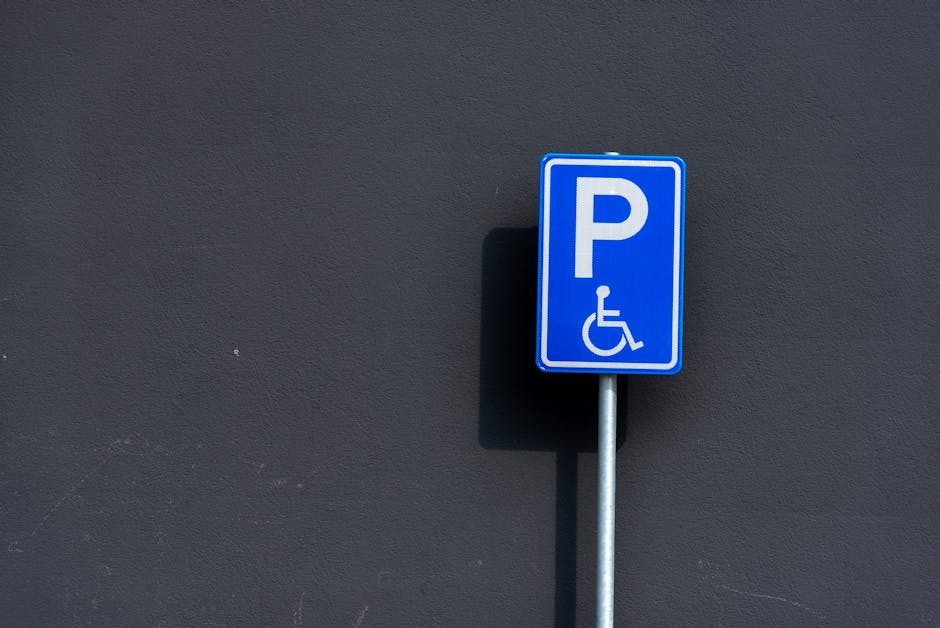
Permits street parking Greenwich removals what to know
Moving house or office in Greenwich is stressful enough without discovering, on the morning itself, that your van has nowhere sensible to stop. That is usually when people start searching for Permits street parking Greenwich removals what to know-and honestly, it is a smart thing to look into before the boxes start moving. A parking permit, or a temporary parking arrangement, can be the difference between a smooth move and one filled with avoidable delays, neighbour complaints, and a very grumpy crew at 8 a.m.
This guide explains the practical side of street parking for removals in Greenwich: why it matters, how it typically works, what to ask in advance, and how to avoid the little mistakes that cause bigger problems on moving day. If you are planning a home move, a flat move, or even a small business relocation, this will help you make better decisions. And yes, it is the sort of detail that feels tedious right up until it saves you an hour and a parking ticket.
Table of Contents
- Why street parking matters during a Greenwich removal
- How parking permits and loading arrangements usually work
- Key benefits and practical advantages
- Who needs parking planning and when it makes sense
- Step-by-step guidance
- Expert tips for better results
- Common mistakes to avoid
- Tools, resources and recommendations
- Law, compliance, standards and best practice
- Options and comparison table
- Case study or real-world example
- Practical checklist
- Conclusion
- Frequently asked questions
Why Permits street parking Greenwich removals what to know Matters
Street parking is not just a convenience issue during a move. In Greenwich, where roads can be busy, bays can be tight, and access can change quickly depending on the time of day, parking can shape the whole moving experience. A removal van that has to park too far away creates more lifting, more walking, more time, and more chance of damage. It also adds pressure on a crew that is already working around stairs, tight hallways, and unpredictable weather.
That is why understanding permits street parking Greenwich removals what to know is so useful. You are not simply asking where a vehicle can sit. You are planning how the entire move flows. A well-managed parking plan helps the team load and unload efficiently, keeps pavements clearer, and reduces the risk of disruption for neighbours. It sounds small. It rarely is.
There is also a money angle, even if nobody likes talking about it. Parking issues can turn a straightforward booking into a slower job, and slower jobs tend to cost more in labour time. Add a possible fine or a frustrated rescheduling problem, and the cheap option can become oddly expensive. Truth be told, the parking detail often pays for itself in peace of mind alone.
Expert summary: For removals in Greenwich, parking planning is not an optional extra. It is part of the move itself, especially on narrow residential streets, permit-controlled roads, or anywhere access is already limited.
How Permits street parking Greenwich removals what to know Works
In practical terms, removals parking usually falls into one of three categories: a resident parking bay, a pay-and-display bay, or a controlled loading arrangement. The exact rules depend on the street and local restrictions, so the first step is always to check the location rather than assuming the same arrangement applies across Greenwich. One street can be easy; the next one down can be an entirely different story.
For a removal van, the key questions are simple:
- Can the vehicle stop close enough to the property?
- Is parking restricted by permit, time limit, or loading only?
- Is there enough space for a larger van or lorry without blocking access?
- Will the van need special dispensation for the moving day?
Some removals require a temporary parking permit or a suspension of a parking bay. Others rely on finding a legal loading space for a short period. In many cases, the safest approach is to arrange parking before the move rather than hoping to get lucky on the day. Let's face it, "we'll just find somewhere" is not a proper plan when there is a sofa on the pavement and three people waiting.
If you are booking a fuller move, you may also want to think about how the parking decision ties into other services. For example, if you need packing help before move day, a company like packing and unpacking services can reduce the time the van needs to remain outside, which sometimes makes parking simpler. Likewise, a smaller load may fit better with a man and van removals option if your access is awkward.
In short, the process usually goes like this: confirm the street rules, assess the vehicle size, decide whether a permit or suspension is needed, and make sure the plan is in place before the moving crew arrives. Simple enough on paper. In real life, it takes a bit of attention.
Key Benefits and Practical Advantages
Good parking planning does more than prevent fines. It improves the whole shape of the move. That might sound a bit dramatic, but anyone who has lugged boxes half a street in the rain will know exactly what I mean.
- Faster loading and unloading: The closer the vehicle is to the entrance, the smoother the job tends to go.
- Less physical strain: Fewer long carries means less risk of tired handling, dropped items, or scraped furniture.
- Lower disruption: A clear plan reduces blockages and avoids awkward conversations with neighbours.
- Better timing: When the van is parked legally and sensibly, the schedule is easier to keep.
- More predictable costs: A move with fewer delays usually runs more efficiently.
There is another benefit that people often overlook: confidence. Once the parking plan is sorted, the rest of the day feels less chaotic. The crew can get to work. You can focus on the keys, the meter, the kettle, or whichever tiny emergency appears first. Moving day always has a way of producing a surprise or two, so removing one uncertainty helps more than you might expect.
For businesses, the benefit is even clearer. A commercial move often involves deliveries, equipment, staff access, and deadlines. If you are planning something like office removals or broader commercial moves, parking access can affect everything from downtime to customer-facing disruption.
Who This Is For and When It Makes Sense
This topic matters for more people than you might think. The obvious group is anyone moving home in Greenwich, especially if they are on a terraced street, in a flat above street level, or in an area where parking is already tight. But there are a few other cases too.
Home movers
If you are moving from a maisonette, a townhouse, or a flat with limited access, parking planning should be near the top of your list. A van parked two streets away can make a small move feel huge. It also means extra foot traffic through shared entrances, which is never ideal.
Landlords and tenants
If you are arranging a move-out for a tenant or organising a move-in day, parking details often get missed. That creates avoidable friction. A landlord might assume the tenant will sort it, while the tenant assumes the moving company will know the local setup. Clear communication solves that nicely.
Small businesses
Office moves, stock transfers, and equipment relocations usually need more than a quick roadside stop. In those cases, parking access is part of the logistics plan, not a side note. If you are moving desks, monitors, files, or inventory, parking can affect the entire timeline.
Anyone on a constrained street
If the street has permit bays, yellow lines, loading restrictions, or very little turning space, you should treat parking as a planning item from day one. Even if the move is small, access problems can create outsized headaches. A van cannot magically shrink itself. Sad, but true.
Step-by-Step Guidance
Here is the practical route we would recommend when planning a Greenwich move with street parking in mind.
- Check the exact street conditions. Look at the parking signs, bay markings, restrictions, and any time-based rules near both the old and new address.
- Measure access. Note whether a medium van or larger removal truck can physically stop without blocking driveways, junctions, or essential access.
- Decide how long loading is likely to take. A one-room move and a three-bedroom house move are very different animals.
- Speak to the removal provider early. A good team will want to know the parking situation, property type, and any access restrictions before confirming the plan.
- Ask whether a permit, bay suspension, or loading arrangement is needed. The answer depends on the street and the size of the vehicle.
- Prepare both addresses. Do not only think about the destination. The pickup point matters just as much.
- Leave a buffer. Even a well-planned move can hit traffic, lift delays, or awkward furniture pieces that need extra care.
A small but helpful habit: take photos of the parking signs and the street layout a few days before the move. It is much easier to discuss the situation with your removal team when you can show them what the road actually looks like. A blurry phone photo taken while dodging a cyclist is still better than trying to remember the sign wording later.
If your access is especially tight, it is worth reading more about stair access issues and tight-space planning, because parking and internal access problems often appear together. One without the other is already annoying; both at once can really slow things down.
Expert Tips for Better Results
There are a few things experienced movers and organised customers tend to do that make a real difference. Nothing fancy. Just sensible habits that save time and reduce stress.
Book parking thinking before the moving date gets too close
That sounds obvious, but it is one of the most common slip-ups. Parking arrangements can take time to confirm, especially when you are dealing with a busy area or a restricted street. The earlier you check, the more options you have.
Match the vehicle to the street
Not every move needs the biggest vehicle available. On some streets, a smaller van is actually the better choice because it can park more easily and still carry the load efficiently. That is where sensible planning beats bravado. Nobody gets extra points for using a lorry that cannot fit.
Think about the neighbours
If your building has shared access, tell neighbours or the building manager when the move is happening. A quick heads-up can prevent complaints and makes it easier if the vehicle needs brief loading access outside the door.
Keep the doorway clear
Once parking is sorted, do not let the entrance become the next bottleneck. Pack hallways well, reserve a clear path, and keep small items ready. The smoother the flow from house to van, the better the day feels.
Use local knowledge where possible
Greenwich has streets and neighbourhoods that can feel straightforward one minute and awkward the next. Local route sense matters. For example, planning around busy tourist or commuter periods can make a big difference. If you want broader area insight, the article on finding your way around Greenwich is a useful companion read.
And one more practical tip: if you are booking a move around a busy period, allow a little extra room in the schedule. The real world enjoys surprises. Roadworks, school traffic, delivery vans, all of it. Better to be early and calm than rushing while carrying a lamp.
Common Mistakes to Avoid
Most parking problems during removals are predictable. That is the annoying part. They are also avoidable if you know where people tend to go wrong.
- Assuming parking is fine because it was fine last month. Restrictions change, and even familiar streets can behave differently on different days.
- Forgetting to check both addresses. One property may be easy to access while the other is a nightmare.
- Leaving permit queries until the final week. By then, you may have fewer options and less room to negotiate timing.
- Choosing a vehicle too large for the road. This can create unnecessary blocking and make unloading more awkward.
- Not telling the removal company about lifts, bollards, narrow entrances, or shared courtyards. These details matter more than people expect.
- Ignoring the weather. Rain and icy patches slow everything down, especially if the van is parked farther away than planned.
One sneaky mistake is thinking that parking is only a problem if there is a ticket involved. Actually, parking can be "legal" and still inefficient. If the vehicle is parked too far away, the job may still become slower and more tiring. So the aim is not just compliance. The aim is good access.
Tools, Resources and Recommendations
You do not need a stack of specialist equipment to get parking right, but a few simple tools and resources help.
- Street photos: Useful for showing bay layouts, kerb space, and access points.
- Vehicle dimensions: Knowing the rough size of the van helps you judge whether it can park safely and legally.
- Move-day checklist: A written list prevents last-minute forgetfulness.
- Building or concierge contacts: Handy if there is shared access, a gated entrance, or resident coordination to manage.
- Removal service guidance: A good provider should be able to tell you what type of access they need and what details matter most.
If you are comparing moving options, reviewing removal services alongside general removals can help you decide how much support you really need. Some moves are straightforward. Others benefit from full support, especially where parking or access is awkward.
For planning costs and budgeting, the page on pricing and quotes is a sensible place to start. If your move includes a lot of packing or heavier items, it is also worth looking at furniture-specific options like furniture pick-up or comparing vehicle choices such as a moving van versus a larger moving truck.
Law, Compliance, Standards and Best Practice
Parking and removals touch on local parking restrictions, road safety, and practical duty of care. Without turning this into a legal lecture, the basic principle is straightforward: park lawfully, avoid unsafe obstruction, and respect local rules. If a street has permit restrictions, loading-only windows, yellow lines, or controlled bays, those rules need to be checked before the vehicle arrives.
Best practice usually means more than just avoiding a fine. It means not blocking emergency access, not causing unnecessary disruption to residents, and not forcing heavy lifting through unsafe routes. If a company is handling the move professionally, it should also think about crew safety, vehicle placement, and how the load will be moved efficiently. That sits alongside wider operational standards such as health and safety policy and insurance and safety, both of which matter when heavy items, narrow streets, and moving traffic are in play.
For customers, the best practice is simple too: give accurate information, ask clear questions, and do not assume a parking arrangement has been sorted unless someone has confirmed it. In moving work, assumptions are expensive little things.
Options, Methods, or Comparison Table
Not every move needs the same parking approach. The right method depends on the street, the vehicle, and how long the team needs access. Here is a practical comparison.
| Parking approach | Best for | Advantages | Possible drawbacks |
|---|---|---|---|
| Resident permit bay | Moves on controlled residential streets | Often close to the property if access is managed properly | Requires checking local restrictions and sometimes permission |
| Loading bay | Short, efficient loading and unloading | Convenient for quick access | Usually time-limited and may not suit longer moves |
| Temporary permit or suspension | Moves needing longer curbside access | Can give the team more workable space | Needs advance planning and may involve additional administration |
| Off-street loading | Properties with driveways, forecourts, or private access | Often easiest if available | Not every property has this option |
There is no single perfect answer here. For a small flat move on a quiet street, a loading bay may be enough. For a larger family home or a business relocation, a more structured parking arrangement can be much better. The best option is the one that matches the actual road, not the one that sounds easiest in theory.
Case Study or Real-World Example
A typical Greenwich move might look something like this. A couple is moving from a second-floor flat near a busy residential road into a family house a short distance away. At first glance, the addresses are close, so they assume parking will be easy. Then they check the street and discover that one side has restricted bays and the other has tight evening demand. Not impossible, just fiddly.
Instead of waiting until move day, they speak to the removal team early, send over photos of the road signs, and choose a van size that fits the access better. They also clear the entrance inside the flat, so the crew can keep items moving while the van is parked legally and close enough to the door. The result is not magical, just organised. The move finishes on time, with less lifting and fewer awkward pauses on the pavement while everyone tries to work out where to stand.
That sort of planning can make a surprising difference. In practice, the move feels calmer, the crew stays efficient, and the customer has more control over the day. No drama. Which, on moving day, is a small kind of victory.
Practical Checklist
Use this checklist before your moving day. It is simple, but it catches most of the common issues.
- Confirm the exact street restrictions at both addresses.
- Check whether the van can legally stop close enough to the property.
- Ask if a permit, loading bay, or temporary suspension is needed.
- Share photos of the street and parking signs with your removal provider.
- Confirm the expected vehicle size.
- Let neighbours or building management know if access will be affected.
- Prepare a clear path from the door to the vehicle.
- Allow extra time for traffic, stairs, or awkward furniture.
- Keep contact details handy on the day.
- Double-check both addresses the evening before the move.
If you are still comparing removal support, it may help to review home moves or broader house removals options to see how much assistance fits your situation. Some customers need full-service support; others just need the right vehicle and a decent parking plan. Both are fair enough.
Conclusion
When people search for permits street parking Greenwich removals what to know, they are usually trying to avoid the sort of moving-day mess that starts with one small overlooked detail and snowballs into stress. That is exactly why parking deserves real attention. In Greenwich, where streets can be busy and space is often tight, a sensible parking plan is not just helpful; it is part of a well-run move.
The good news is that most parking issues are manageable if you plan early, ask the right questions, and treat access like a core part of the job. Whether you are moving a flat, a house, or a business premises, a little preparation goes a long way. And when the van pulls up exactly where it should, everything else tends to breathe a bit easier.
Get a free quote today and see how much you can save.
Frequently Asked Questions
Do I need a permit for a removals van in Greenwich?
Sometimes, yes. It depends on the street, the parking restrictions, the size of the vehicle, and how long it needs to stay. Some locations need a temporary permit or bay suspension, while others allow short loading access. Check the exact street rules before the move.
Can a removals company sort the parking for me?
In many cases, a removal company can advise on what is needed and may help coordinate the parking plan. That said, you should always confirm who is responsible for arranging any permits or permissions. It is best not to leave that vague.
What happens if the van cannot park close to the property?
The team may have to carry items further, which can slow the move and increase the risk of delays. In some cases, it may also raise the chance of damage or make the job more physically demanding. That is why access planning matters so much.
How far in advance should I arrange street parking for a move?
As early as possible. The exact timing depends on the street and the level of restriction, but leaving it until the last few days is usually a bad idea. Early planning gives you more flexibility if anything needs changing.
Is a loading bay better than a permit bay for removals?
It depends on the move. A loading bay may be ideal for a short, efficient job, but it may not suit a longer relocation. A permit bay or temporary suspension can be better where longer access is needed. The best option is the one that fits the actual loading time.
What if I am moving from a flat with no driveway?
Then street access becomes especially important. You will want to check the nearest legal stopping point, the likely walking distance, and whether the van can safely load from the road. Flats often need a bit more planning than people expect.
Do I need to check parking at both addresses?
Yes, absolutely. One side of the move may be easy while the other has restrictions. If only one address works well, the whole day can still become complicated. Always check both ends of the move.
Will parking affect the cost of my move?
It can, indirectly. If access is awkward or parking increases the time needed, the overall job may take longer. That is why accurate parking details are useful when getting a quote. A clear picture usually leads to a better estimate.
What should I tell the removals team about parking?
Tell them about bay restrictions, yellow lines, narrow streets, height limits, bollards, shared access, and any likely obstacles near the property. Photos help too. The more practical detail you give, the easier it is to plan properly.
Are Greenwich streets difficult for removals vehicles?
Some are straightforward, but many can be tight or heavily used. It varies a lot by road and time of day. That is why local knowledge and advance checking are so valuable. A street may look fine on a map and still be awkward in reality.
What if my move is on a busy weekend or during rush hour?
Build in more time than you think you need. Traffic, pedestrians, and parking pressure can all add delays. If possible, choose a calmer window and make sure the parking setup is confirmed well in advance.
Where can I find more help with Greenwich removals planning?
It can help to look at related guidance on route planning, access issues, and moving preparation. A few useful starting points are the pages on moving-day delay prevention and common booking problems and solutions, especially if you want to reduce the chance of a last-minute scramble.